Carnot Game Casual Physics
📝 About Carnot Game Casual Physics
🎮 How to Play & Controls
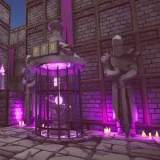
The player must click the button to switch between the thermal sources of the system remembering to make the transitions at the right moments to avoid the piston jamming or the cylinder exploding The Carnot cycle consists of four thermodynamic processes
Game Details & Supported Devices
- Provider
- _gamemonetize
- Technology
- HTML5 (No Download)
- Supported Devices
- Desktop, Chromebook, Mobile & Tablet Browser
- Plays
- 293
- Input Methods
- Mouse
🎯 Categories
🎮 Similar Games to Carnot Game Casual Physics


❓ Frequently Asked Questions About Carnot Game Casual Physics
Is Carnot Game Casual Physics free to play?
Yes, Carnot Game Casual Physics is completely free to play online in your web browser on TopOf.Games with no registration or payment required.
Can I play Carnot Game Casual Physics on mobile or tablet?
Yes, Carnot Game Casual Physics is built with responsive HTML5 technology and supports mobile browsers on smartphones and tablets as well as desktop PCs and Chromebooks.
Do I need to download or install Carnot Game Casual Physics?
No download or installation is needed. Click the Play button above to launch Carnot Game Casual Physics directly in Chrome, Safari, Edge, or Firefox.
How do I control Carnot Game Casual Physics?
The player must click the button to switch between the thermal sources of the system remembering to make the transitions at the right moments to avoid the piston jamming or the cylinder exploding The Carnot cycle consists of four thermodynamic processes